
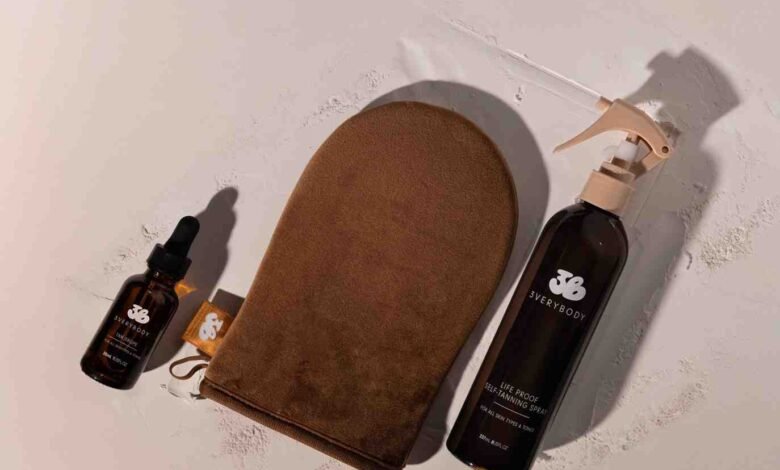
Dreaming of a flawless, sun-kissed glow without exposing your skin to harmful UV rays? Achieving a natural-looking tan at home is more accessible than ever, thanks to advancements in fake self tanners. Yet, navigating the vast array of products and mastering application can still feel daunting.
We understand the common concerns, from avoiding streaks and patchiness to ensuring a natural, non-orange hue. This comprehensive guide aims to demystify self-tanning. We will explore the different types of self-tanners—mousses, lotions, drops, and mists—and delve into the science behind achieving a perfect, lasting color.
Join us as we share expert preparation techniques, application tips for tricky areas, and solutions for common issues. We’ll also highlight top-rated formulas for 2026, including options for fair skin and those specifically designed to be a Non-orange self tanner. Our goal is to equip you with the knowledge to achieve a radiant, authentic-looking tan safely and confidently.
Science and Formulation: Choosing a Non-Orange Self Tanner
The magic behind self-tanners lies primarily in an ingredient called Dihydroxyacetone (DHA). Discovered in the 1950s, DHA reacts with the amino acids present in the outermost layer of your skin (the stratum corneum). This chemical reaction produces melanoidins, which are brown pigments that mimic a natural tan without involving melanin production or UV exposure. The FDA considers DHA safe for external use, making it a popular and reliable choice for sunless tanning.
However, DHA isn’t the only player. Many advanced formulas also include Erythrulose, a sugar that reacts similarly to DHA but develops more slowly and often results in a slightly redder, more natural undertone, helping to reduce the risk of an orange hue. Some products also incorporate DMI (Dimethyl Isosorbide) as a booster, which helps DHA penetrate the skin more effectively, leading to a deeper and longer-lasting tan. Your individual skin chemistry, including its pH and natural cell turnover rate, significantly influences how these ingredients react and how long your tan lasts. For active individuals, ingredients like Ethoxydiglycol can be included to enhance longevity and sweat resistance, ensuring your glow stays put.
Color Correction: How Violet and Green Undertones Create a Non-Orange Self Tanner
One of the most common fears associated with self-tanning is the dreaded “orange” tint. This often occurs when the DHA reacts with the skin’s amino acids in a way that produces a yellowish-orange pigment, especially on fairer skin tones. Modern self-tanners have ingeniously addressed this by incorporating color-correcting undertones.
Formulas with violet or green bases are specifically designed to counteract orange. Think of it like a color wheel: violet neutralizes yellow tones, while green cancels out red. By adding these pigments to the self-tanner, brands can ensure the developing tan appears more ash-toned or olive, resulting in a natural, rich mocha brown rather than an artificial orange. This is particularly crucial for those with fair or pale skin, as their skin’s natural undertones are more susceptible to showing an orange cast. For a deeper dive into selecting shades that avoid this common pitfall, explore guides that focus on achieving a truly natural-looking self-tanner without unwanted orange tones.
Clean Ingredients and Skincare Infusions to Look For
Beyond the tanning agents, the best fake self tanners in 2026 are increasingly incorporating nourishing skincare ingredients. We’re seeing a strong trend towards “clean beauty” solutions that prioritize skin health alongside a beautiful tan. When choosing a product, look for:
- Organic Aloe Vera: Known for its soothing and hydrating properties, it helps keep skin moisturized and the tan even.
- Hyaluronic Acid: A powerful humectant that draws moisture into the skin, plumping it up and improving elasticity. Fake Bake’s Coconut Serum, for example, integrates hyaluronic acid for both tanning and anti-aging benefits.
- Shea Butter & Coconut Oil: Excellent emollients that provide deep hydration, preventing dryness and ensuring a smooth, streak-free fade. Beauty by Earth’s Self Tanner prominently features these.
- Coconut Water: Used in products like Lucy Bee Tan Mousse, it nourishes and hydrates the skin, contributing to a healthy glow.
- Antioxidants: Ingredients like Vitamin E protect the skin from environmental damage.
Furthermore, many top brands are committed to being paraben-free, sulfate-free, cruelty-free, and vegan. Beauty by Earth, Lucy Bee, and Fake Bake are examples of brands that emphasize these clean formulations, avoiding dyes and harmful additives. This focus ensures a product that’s not only effective but also gentle and beneficial for your skin.
Also Read: How To Compare Lake Norman Waterfront Homes Before You Buy in Mooresville, North Carolina
Comparing Sunless Tanner Formats: Mousse, Lotion, Drops, and Mists
The world of self-tanners offers a diverse range of formats, each with its unique application style and benefits. Understanding these differences is key to finding your perfect match.
- Mousses (Foams): These lightweight, aerated formulas are a favorite among both beginners and experienced users. They often come with a guide color, making it easy to see where you’ve applied the product, which is excellent for preventing streaks. Mousses tend to dry quickly and provide an even application when used with a mitt.
- Lotions: Similar to regular body lotions, these are often moisturizing and can be easier to blend. Gradual tanning lotions fall into this category, allowing for a subtle build-up of color over several days. They are less likely to streak than some other forms but may take longer to dry.
- Mists/Sprays: These provide a fine, even coverage and are great for hard-to-reach areas. Tanning waters, a type of mist, are typically clear, which means no transfer to clothes or sheets, but they can be harder for beginners to apply evenly without a guide color.
- Drops: Designed to be mixed with your existing moisturizer or serum, drops offer customizable color intensity. They are particularly popular for facial tanning and allow for a very natural, controlled glow.
- Oils: Hydrating tanning oils combine the benefits of a body oil with self-tanning properties, offering a luxurious feel and a dewy finish. They can eliminate the need for a separate body lotion step.
Here’s a quick comparison of popular self-tanner formats:
Format Best For Drying Speed Ease of Use (Beginner) Guide Color Key Benefit Mousse All skin types, quick results Fast Good (with mitt) Often Visible application, streak-free potential Lotion Dry skin, gradual build, subtle tan Moderate Excellent Rare Hydrating, controlled color development Mist Even coverage, hard-to-reach areas Fast Moderate (can be clear) Rare Lightweight, no-touch application Drops Face, customizable intensity, sensitive Moderate Excellent (mix with moisturizer) No Personalized tan, integrates with skincare Oil Dry skin, luxurious feel, deep hydration Moderate Good Rare Moisturizing, dewy finish, natural fade
Finding the Best Non-Orange Self Tanner Format for Beginners
For those new to self-tanning, the sheer variety of products can be overwhelming. We recommend starting with a foaming mousse that includes a guide color. The visible tint helps you see exactly where the product has been applied, significantly reducing the risk of streaks or missed spots. Many tanning experts consider mousse the standard format for professional-level results due to its ease of blending and quick-drying nature.
Another excellent option for beginners, especially those with fair skin, is a gradual tanning lotion. These products deliver a subtle hint of color that builds up over several applications. This allows for greater control over the intensity of your tan, minimizing the chances of an unnatural or orange result. You can use them daily until you reach your desired depth, then maintain with less frequent applications. The key is application control and patience.
Face vs. Body Tanning: Avoiding Clogged Pores and Uneven Buildup
The skin on your face is often more sensitive and prone to breakouts than the skin on your body. Therefore, we advise using products specifically formulated for the face or those designed to be gentle enough for both.
Tanning drops are incredibly popular for facial tanning. You simply mix a few drops into your regular facial moisturizer or serum, allowing you to customize the intensity and ensure it integrates seamlessly with your existing skincare routine. Look for non-comedogenic formulas to avoid clogged pores. Facial mists are another great option, offering a light, even spray that can be applied over makeup or as part of your morning routine for a subtle glow. When using drops with serums, ensure your serums have completely dried down before mixing to avoid interference.
For full body coverage, most mousses and lotions are suitable, but remember to apply sparingly on areas like the face, elbows, knees, hands, and feet to prevent over-darkening.
Top-Rated Formulas and Tested Picks for 2026
The self-tanning market is booming, with brands constantly innovating to deliver natural, streak-free results. Based on customer reviews, expert tests, and product features, here are some of the top-rated formulas we’re seeing in October 2026:
- Beauty by Earth Self Tanner: This product is a standout, holding the #1 Best Seller position in Body Self-Tanners on Amazon. With over 30K units bought in the past month and a 4.3 out of 5 stars from 26,223 global ratings, its popularity speaks volumes. It’s praised for its natural and organic ingredients, streak-free application, and lack of orange hues, making it suitable for both face and body.
- Fake Bake Flawless Line: Award-winning in the liquid spray tan category, Fake Bake is renowned for its “no orange, no streaks, no sticky residue” promise. Their Flawless Darker Self-Tan Liquid and Coconut Self-Tan Serum are particularly popular, with the serum offering added skincare benefits like hyaluronic acid.
- Lucy Bee Tan Mousse: This brand emphasizes natural, vegan, and pregnancy-safe formulas. Their Tan Mousse, often bundled with a mitt and brush, is dermatologically approved for sensitive skin and uses natural DHA that adapts to individual skin tones. Users rave about its easy application and lack of “fake tan” smell.
- Bondi Sands & St. Moriz: While not detailed in the provided research, these brands are consistently popular in broader market reviews for their reliable results and affordability, often appearing in top lists for their mousses and lotions.
- Coco & Eve: Mentioned in expert blog posts, Coco & Eve is a well-regarded brand known for its tropical scents and effective formulas.
Here’s a comparison of some leading self-tanning brands:
Brand Format Focus Key Features Typical Longevity Price Range (Approx.) Beauty by Earth Lotion, Mousse Organic, USA-made, no orange, face & body 4-6 days Mid-range Fake Bake Liquid, Serum, Mousse Award-winning, no orange/streaks, skincare infusion Unbeatable (claims) Mid-to-High Lucy Bee Mousse Natural DHA, vegan, pregnancy-safe, eco-packaging 2-hour develop Mid-range
Best Formulas for Fair and Pale Skin Tones
For those with fair or pale skin, the goal is often a subtle, natural glow rather than a deep bronze. We recommend starting with products that have a low DHA percentage (typically 1% to 3%). This allows for a more controlled color development, significantly reducing the risk of an orange or overly dark tan.
Gradual tanners are your best friend here. They allow you to build color slowly over several days, giving you complete control over the intensity. Many fair-skinned users also prefer clear formulas (like tanning waters or drops) because they don’t have a guide color that can look stark against pale skin during development. However, clear formulas require meticulous application to avoid streaks, so using a mitt is essential.
Long-Lasting and Sweat-Resistant Options for Active Lifestyles
For those with active lifestyles, a self-tanner that can withstand workouts, humidity, and frequent showering is a must. Look for formulas that specifically mention “long-lasting” or “transfer-resistant” properties.
Ingredients like Ethoxydiglycol can help prolong the tan’s longevity by enhancing DHA penetration. Many brands also formulate their products to be fast-drying, which minimizes transfer onto clothing or sheets. While a typical high-quality self-tan lasts about 3-7 days, some products, like Beauty by Earth, claim 4-6 days with proper care. To maintain your glow, consistent moisturizing and avoiding harsh scrubbing are crucial.
Step-by-Step Application Guide for a Streak-Free Finish
Achieving a flawless, streak-free self-tan is all about preparation and technique. We’ve outlined the essential steps to ensure an even, natural-looking result.
Preparation is Key:
- Exfoliate Thoroughly: Several hours before application (or the day before), wash and exfoliate your entire body. This removes dead skin cells, creating a smooth canvas and preventing patchy color. If you shave or wax, do this beforehand too.
- Hydrate Dry Areas: Apply a light, oil-free moisturizer to notoriously dry areas like knees, elbows, ankles, and wrists. This acts as a barrier, preventing these areas from absorbing too much product and turning too dark.
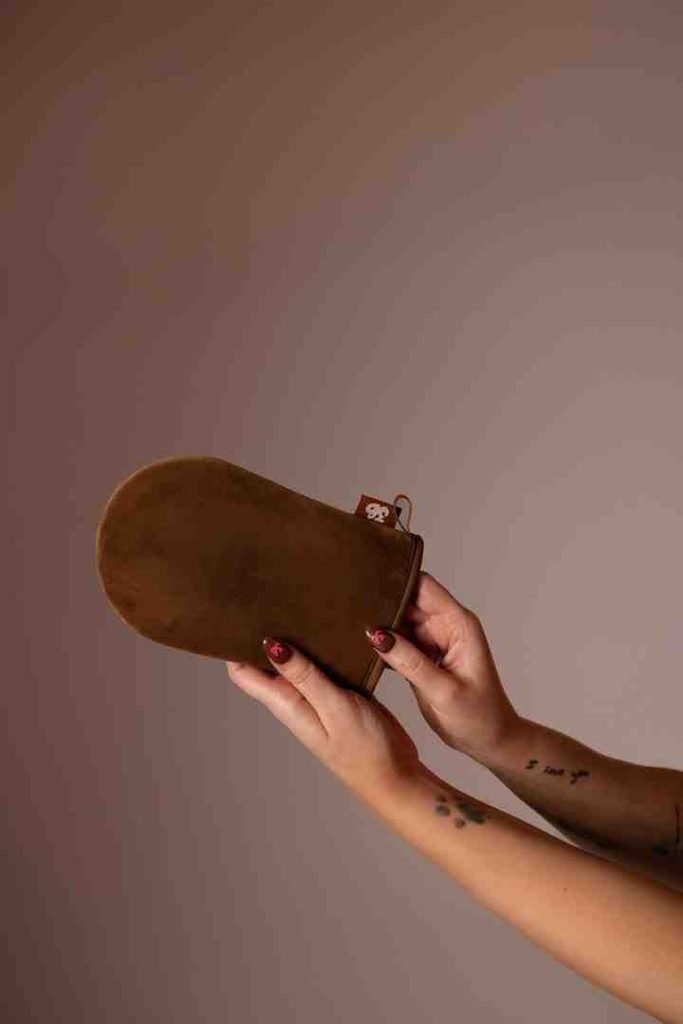
- Gather Your Tools: A tanning mitt is non-negotiable for an even, streak-free application and to protect your hands from staining. Consider a back applicator for hard-to-reach spots.
Application Technique:
- Work in Sections: Apply the self-tanner to one body part at a time (e.g., one leg, then the other).
- Small Circular Motions: Dispense a small amount of product onto your mitt and buff it into your skin using small, overlapping circular motions. Be meticulous and ensure thorough blending.
- Less is More on Dry Spots: Apply very sparingly to elbows, knees, and heels, using only the residual product left on your mitt.
- Wash Hands: Immediately after applying to each section (or the entire body if not using a mitt), wash your hands thoroughly with soap and water to prevent stained palms.
- Allow to Dry: Wait the recommended time (typically 15-60 minutes, depending on the formula) before getting dressed. Opt for loose, dark clothing during the development period.
Mastering Tricky Zones: Hands, Feet, Knees, and Elbows
These areas are often the culprits for tell-tale fake tan signs. Here’s how to tackle them:
- Hands & Feet: After tanning your arms and legs, use only the leftover product on your mitt. For even better control, apply a tiny dot of self-tanner to the back of your hand and buff it in with a foundation brush, blending towards your fingers and knuckles. Wipe your cuticles and palms with a damp muslin cloth or baby wipe immediately. For feet, apply sparingly to the top, blending over the toes and sides, avoiding the soles.
- Knees & Elbows: Always apply a light layer of regular lotion to these areas before tanning. When applying the self-tanner, bend your knees and elbows to stretch the skin, then use minimal product, buffing it in gently.
Quick Fixes and Removal for Self-Tanning Mistakes
Even the most seasoned self-tanners can make mistakes. Don’t panic!
- Small Streaks/Spots: For minor errors, a makeup wipe can gently rub away excess product before it fully develops.
- Over-Applied Areas: If an area like your hands or feet has gone too dark, a mixture of baking soda and lemon juice applied with a pumice stone can help lighten it.
- Uneven Fade/Full Removal: When your tan starts to fade unevenly, or if you simply want to start fresh, use a dedicated tan eraser foam or an exfoliating mitt in the shower. Showering multiple times with soap can also help to fade the tan.
Frequently Asked Questions About Self-Tanning
We often hear similar questions from those venturing into sunless tanning. Here are some of the most common queries we encounter:
Why do some self-tanners turn orange, and how can it be avoided?
The orange tint is primarily caused by an imbalance in the DHA concentration relative to your skin’s chemistry, or by formulas lacking color-correcting undertones. High DHA percentages can sometimes overreact, especially on fair skin, producing a yellowish-orange hue. To avoid this, choose products with violet or green undertones, which neutralize orange. Also, opt for formulas with lower DHA percentages (1-3%) for fair skin, or use gradual tanners to build color slowly and safely. Your skin’s pH can also play a role, so ensuring your skin is clean and balanced before application can help.
How long does a fake tan last, and how do you extend it?
A fake tan typically lasts between 3 to 7 days, depending on your individual skin cell turnover rate and how well you maintain it. Since self-tanners only color the outermost layer of dead skin cells, the tan fades as these cells naturally shed.
To extend your tan:
- Moisturize Daily: Keep your skin heavily hydrated with an oil-free lotion. This prevents the skin from drying out and flaking, which can cause the tan to fade unevenly.
- Gentle Cleansing: Avoid harsh scrubbing or abrasive exfoliants in the shower. Use a mild, hydrating body wash.
- Stay Hydrated: Drinking plenty of water helps maintain skin hydration from the inside out.
- Top-Up: Use a gradual tanning lotion every few days or mix tanning drops into your moisturizer to subtly prolong the color.
Can self-tanners cause breakouts or irritate sensitive skin?
For most people, self-tanners are safe. However, individuals with sensitive skin or acne-prone skin may experience irritation or breakouts. This can be due to fragrances, certain preservatives, or even the DHA itself.
To minimize risks:
- Patch Test: Always perform a patch test on a small, inconspicuous area of skin (like your inner arm) 24-48 hours before full application.
- Look for Specific Claims: Choose products labeled as “non-comedogenic” (won’t clog pores), “fragrance-free,” or “dermatologically approved” for sensitive skin. Brands like Lucy Bee specifically highlight their suitability for sensitive skin and use during pregnancy.
- Clean Ingredients: Opt for formulas with clean, natural, and organic ingredients, avoiding parabens, sulfates, and artificial dyes.
Conclusion
Achieving a beautiful, sun-kissed glow without the damaging effects of UV radiation is entirely within reach in October 2026. By understanding the science behind self-tanning, selecting the right format and shade for your skin tone, and mastering proper application techniques, you can confidently embrace a radiant, authentic-looking tan.
The keys to success are thorough preparation, meticulous application, and consistent aftercare. Whether you opt for a quick-drying mousse, a hydrating lotion, or customizable drops, the market offers an abundance of high-quality, non-orange self tanners. With the insights shared in this guide, you’re well-equipped to enjoy a streak-free, natural-looking tan that enhances your natural beauty safely and effectively.





One Comment